Spanish in Global Music: From Folk Roots to Digital Dominance
Spanish has transcended geographical and cultural borders to become a vibrant force within the international music industry. From the ancestral melodies of Spain and Latin America to today’s dominance on digital platforms, this language has left an indelible mark on the global artistic scene.
The Journey from Traditional to Global Sounds
Spanish was born in folk melodies but has travalled far beyond its origins:
- Latin jazz embraced its emotional rhythm
- The blues discovered in Spanish a distinctive way to tell deep, heartfelt stories that connect across cultures
- Pop, el rock and electronic music naturally incorporate Spanish with remarkable success.
This evolution clearly demonstrates that it is a language capable of growing alongside different musical styles without losing its essential character.
La Música Latina Conquista el Mondo
Salsa, reggaeton and bachata represent far more than musical styles. They tell powerful stories of love, struggle, and joy.
Born from Hispanic experiences and traditions, these musical forms have overcome language barriers to unite people across continents. When Latin artists collaborate with international musicians, they demonstrate that Spanish serves as a universal bridge connecting people worldwide through the power of music.
Artists Achieving Global Success
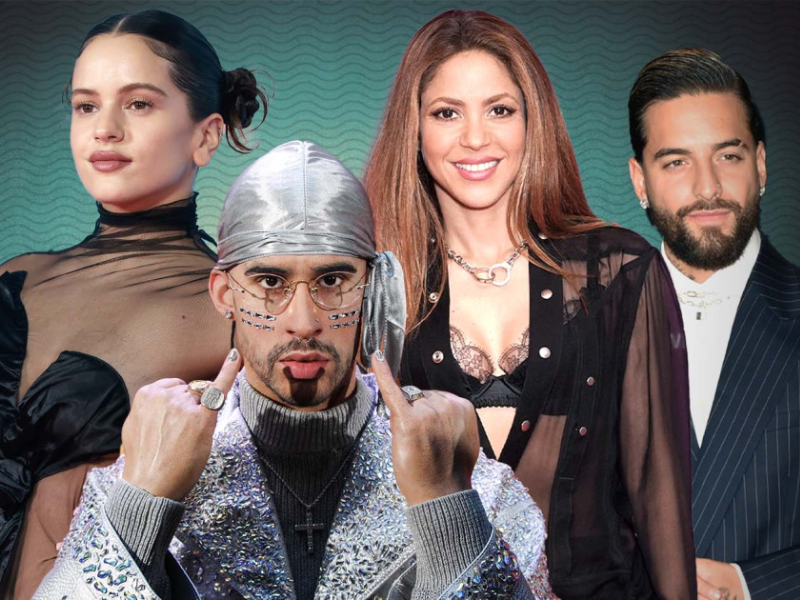
Rosalía, Gloria Estefan, Shakira and Bad Bunny have shattered cultural barriers to reach audiences on every continent. Their international success demonstrates the power of Spanish to tell universal stories that transcend borders.
These artists connect emotionally with listeners from diverse countries, proving that great songs and well-told stories face no limitations.
Cross-Cultural Collaborations
Spanish serves as a natural bridge between artists from different linguistic backgrounds. When Latin musicians work with stars from English-language pop, rock, and hip-hop, exciting new sounds emerge that captivate massive audiences. These collaborations go beyond simply mixing languages—they create hybrid styles that enrich the global musical landscape.
Such partnerships highlight how versatile it is for enhancing different musical forms.
Global Festivals and International Stages
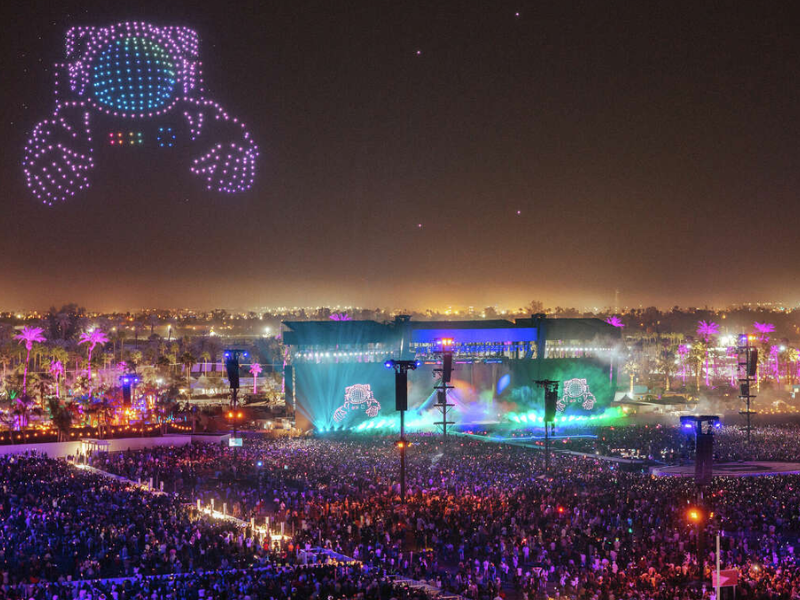
Major events like Coachella, Lollapalooza, and the Festival de Viña del Mar regularly feature Spanish-language concerts before international audiences. These festivals demonstrate the massive demand for music in this language while celebrating cultural diversity. Spanish has become an effective language of musical communication between people from different backgrounds.
The presence of Spanish acts at these prestigious events signals a shift in the global music industry, recognizing the commercial and cultural power of Hispanic artists on the world stage.
Digital Era Success
Streaming platforms and social media have become powerful engines for Spanish music worldwide. Hispanic artists lead international charts, while their songs frequently go viral on TikTok and Instagram. Technology helps spread the language through music, showing that Spanish is thoroughly modern and trending in today’s digital landscape.
The Promising Future of Spanish
New talents and blended musical proposals will integrate Spanish into more genres, opening exciting possibilities for music fans and language students alike. This demonstrates its remarkable ability to cross boundaries and enrich artistic expression.
From jazz to electronic music, Spanish has become a powerful tool for human connection. Its consistent presence at international festivals and on digital platforms confirms its current importance.
Looking forward, Spanish maintains its position as a dynamic and influential language in global music.
Ready to explore this vibrant musical and linguistic world?
Discover how INMSOL can connect you through our Spanish courses!