Origins, Evolution, and Fascinating Facts About Spanish Grammar
Spanish Grammar has ancient roots. Born from Latin and enriched by centuries of linguistic influences from other languages, understanding its evolution helps language learners master Spanish while gaining unique cultural and historical insights into the Hispanic world.
1. Latin Origin and Early Evolution
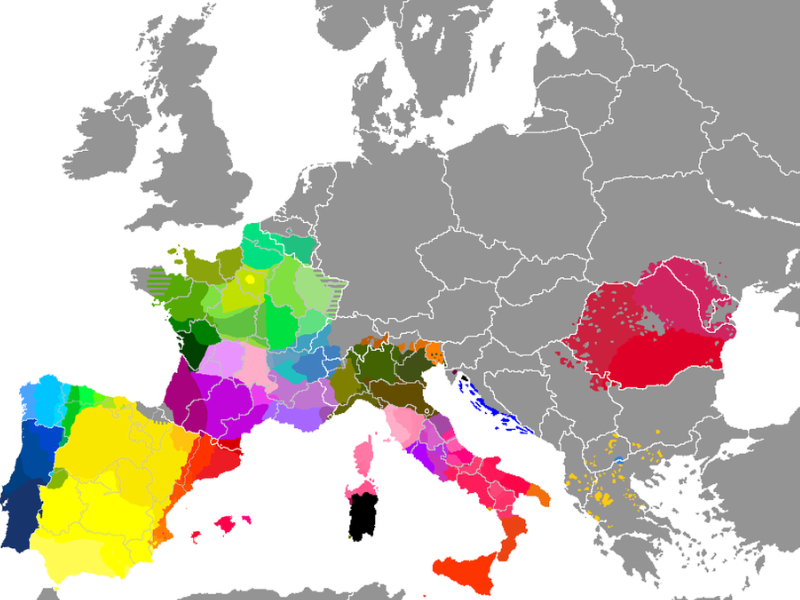
Spanish is a romance language that evolved from Vulgar Latin brought to the Iberian Peninsula by the Romans. Its early development was shaped by the Visigoths and other Germanic peoples who influenced its grammatical structure.
2. Arab Influence During the Middle Ages
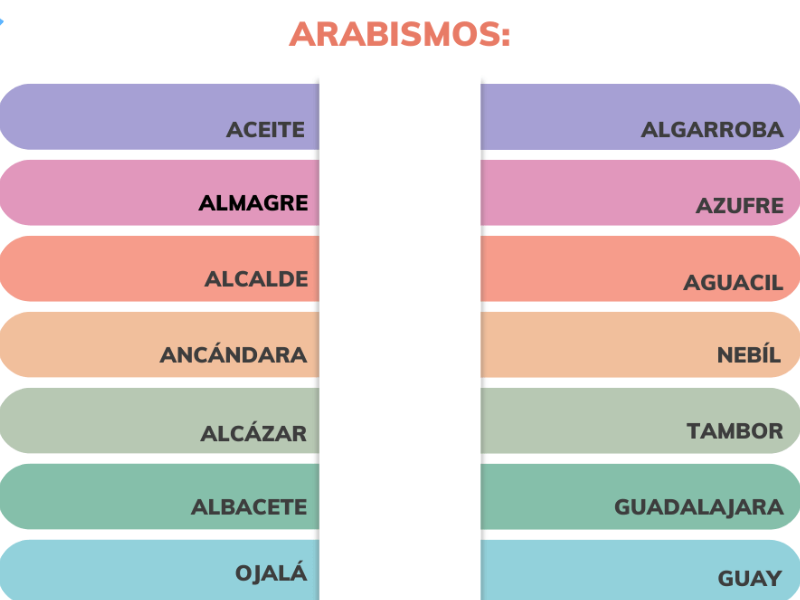
The medieval Arabic presence in Iberia left an indelible mark on Spanish. Thousands of Arabic-origin words integrated into the vocabulary, while certain grammatical structures also absorbed Arabic influences.
3.The Golden Age and Standardization
Spain’s Golden Age represented a peak of cultural and linguistic flourishing. During this period, Spanish grammar began standardizing—spearheaded by the grammarian Antonio de Nebrija, who published the first Spanish grammar book in 1492.
4. Modern Influences and Globalization
Throughout the 19th and 20th centuries, Spanish continued evolving through contact with other European languages and globalization. The language expanded across Latin America, developing rich regional variants and dialects.
5. Contemporary Spanish Today
Modern Spanish is a global language spoken by over 500 million people worldwide. TheRoyal Spanish Academy (RAE) and associated national academies continuously regulate, standardize, and modernize Spanish grammar rules.
Frequently Asked Questions
How has history shaped modern Spanish? Contemporary Spanish grammar reflects its multicultural history, preserving traces of diverse civilizations and languages in both its structure and vocabulary.
Should Spanish students learn grammar history? Absolutely. Understanding Spanish grammar’s historical development deepens language proficiency and enhances appreciation for its cultural diversity and richness.
Where to find resources on Spanish grammar history? iNMSOL offers comprehensive materials for exploring the history of Spanish grammar in depth.
Conclusion
The history of Spanish grammar stands as testament to this language’s remarkable richness and diversity. From its Latin origins through its global expansion today, each historical phase offers a window into the culture and heritage of Spanish-speaking peoples worldwide.
Passionate learners can explore iNMSOL’s resources in Granada to deepen their understanding of this fascinating linguistic journey.
What's your Spanish level?
Take our free online level test and discover where you stand.
It only takes a few minutes!