Register at iNMSOL!

Create your personal account in our website and:

  • View your orders
  • Manage and edit your account
  • Get exclusive advantages

Creating an account is very easy:

  1. Click on “create my account” below
  2. Indicate your username and email
  3. Set a password
  4. Done! You are now a member of iNMSOL community, welcome!

Follow Us

Spanish from Spain vs Latin American Spanish: Key Differences Explained

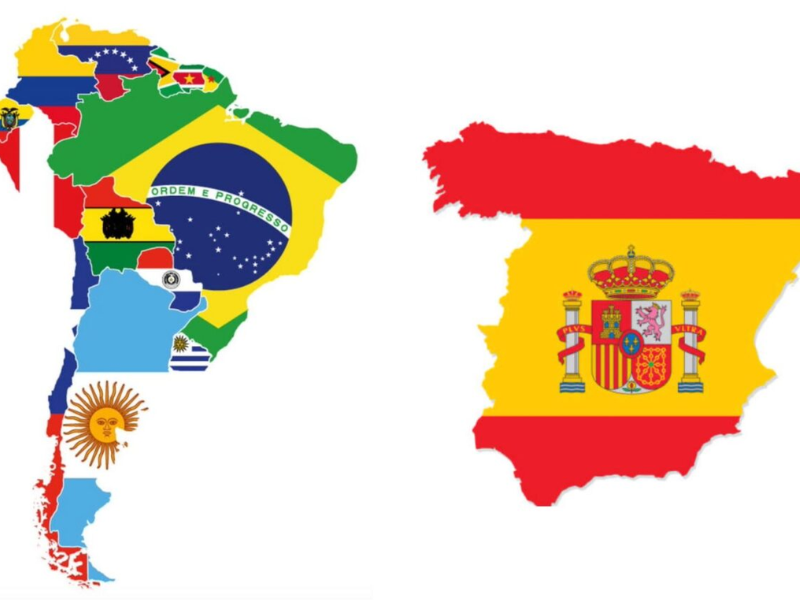
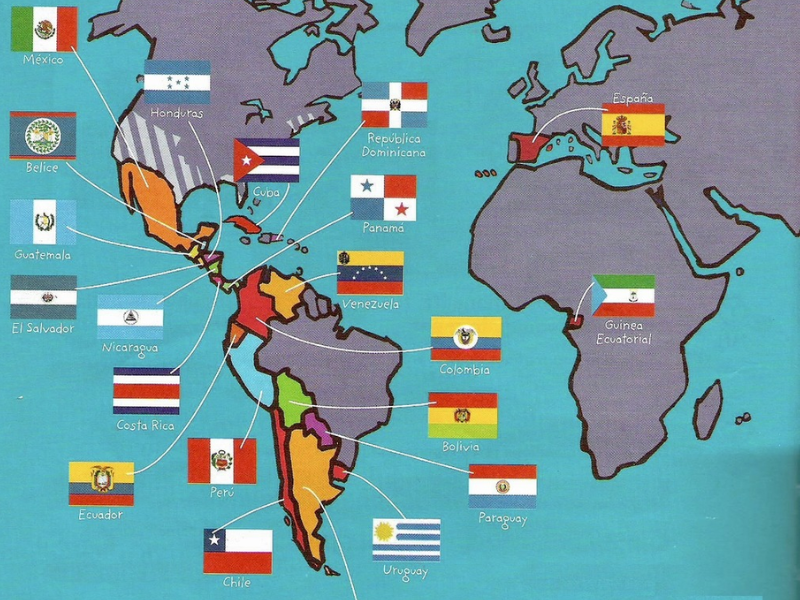
Spanish varies significantly between Spain and Latin America. These differences are the key to compherend the richness of the Spanish language. iNMSOL helps you master both variants through specialized courses.
Spanish from Spain vs Latin American Spanish

1. Clear Pronunciation

“Ceceo” and “seseo” make a big difference. In Spain, certain regions differentiate between “c” e “z”. In Latin America, everything sounds like “s”. It directly impacts the oral comprehension. Intonation also varies: Spaniards typically speak faster; Latin Americans often have a more musical rhythm.

2. Different Vocabulary and Regionalisms

Vocabulary differs substantially across regions. Same concept can have multiple names:
  • “Coche” in Spain is “carro” in Mexico
  • “Ordenador” becomes “computadora”
Knowing these regionalisms avoid confusions and improve communication. Cultural concept determines the correct usage of each of them.

3. Unique Verb Forms and Grammar

“Voseo” is common in Argentina and Uruguay, where people use “vos” instead of “tú”. Past tense usage also varies by region.
  • Spain: The present perfect (pretérito perfecto) is more frequent
  • Latin America: Speakers prefer the preterite (pretérito indefinido)
These grammatical variants enrich the learning experience.
spanish

4. Local Expressions

Every country has unique expressions reflecting local history and culture. While “estar en la luna” means being distracted in both regions, many idioms are completely different. Learning these expressions helps you connect with native speakers and shows respect for their cultural identity.

5. Cultural Influences and Indigenous Languages

In Latin America, indigenous languages have left their mark. Words like “chocolate” or “tomato” originate from Nahuatl. In Spain, other historical influences have shaped the language. Result is diverse, vibrant Spanish that continues evolving.

Frequently Asked Questions

Do these differences make learning Spanish harder? No. They may confuse beginners initially, but ultimately enrich your cultural knowledge. Consistent practice is key.

Should I learn both Spanish variants? It’s not mandatory, but knowing both helps when traveling or working across different countries. iNMSOL offers resources for both variants.

What is “standard” Spanish? There isn’t one single standard. Each variant has valid rules. The important thing is speaking clearly and adapting to context.

Conclusion

Understanding the differences between European Spanish and Latin American Spanish enhances your learning journey. While variants may seem challenging at first, students can learn to appreciate and enjoy this linguistic diversity over time.
ispanofoni
The key is curiosity and using quality educational resources:
provides the necessary tools to successfully explore this linguistic diversity.

Learning Spanish means opening doors to multiple cultures!
0
    0
    Your purchase
    You haven't added anything...Back to catalogue
    Test your skills image

    What's your Spanish level?

    Take our free online level test and discover where you stand. It only takes a few minutes!
    Skip to content